Mastering the Art of Authentic Bengali Recipes

If you’ve ever savored the rich, aromatic flavors of Bengali cuisine, you know it’s a journey of taste that lingers long after the meal is over. Bengali food is a celebration of tradition, culture, and the bounty of the land and rivers. Today, I want to take you on a warm, inviting exploration of how to master the art of authentic Bengali recipes. Whether you’re planning a special event or simply craving a comforting meal at home, these recipes will bring the heart of Bengal right to your kitchen.
Discovering Authentic Bengali Recipes: A Culinary Heritage
Authentic Bengali recipes are more than just food; they are stories passed down through generations. The cuisine is known for its delicate balance of flavors - sweet, sour, spicy, and savory - often combined in a single dish. What makes these recipes truly special is the use of mustard oil, panch phoron (a five-spice blend), and fresh fish from the rivers.
When I first started cooking Bengali dishes, I was amazed at how simple ingredients could create such complex flavors. For example, the humble Shorshe Ilish (hilsa fish in mustard sauce) is a masterpiece of minimalism and taste. The key is to use fresh ingredients and respect the traditional cooking methods.
Here are some tips to get started with authentic Bengali recipes:
Use mustard oil for that signature pungent aroma.
Incorporate panch phoron to add depth to your dishes.
Freshwater fish like hilsa, rohu, and katla are staples.
Balance your flavors carefully; sweetness often comes from jaggery or sugar.
Don’t rush the cooking process; slow simmering enhances taste.

Essential Ingredients and Tools for Bengali Cooking
To truly master Bengali food, you need to familiarize yourself with the essential ingredients and tools that define the cuisine. Bengali cooking is all about freshness and authenticity, so sourcing the right components is crucial.
Must-Have Ingredients
Mustard oil: The backbone of Bengali cooking, it adds a sharp, nutty flavor.
Panch phoron: A blend of fenugreek, nigella, cumin, black mustard, and fennel seeds.
Fresh fish: Hilsa is the king, but rohu and katla are also popular.
Rice: Basmati or local varieties, often served steamed.
Jaggery: For that subtle sweetness in many dishes.
Green chilies and mustard seeds: For heat and flavor.
Fresh vegetables: Eggplant, potatoes, pumpkin, and leafy greens.
Essential Tools
Clay pots: For slow cooking and enhancing flavors.
Heavy-bottomed pans: To prevent burning and ensure even cooking.
Mortar and pestle: For grinding spices fresh.
Steamer: For preparing dishes like Panta Bhat (fermented rice).
Once you have these ingredients and tools, you’re ready to dive into the world of Bengali cooking with confidence.
What is Bengali's Famous Food?
When people ask me about Bengali’s famous food, I can’t help but smile because there’s so much to choose from! Bengali cuisine is famous for its fish dishes, sweets, and vegetarian delights. Here are some iconic dishes that define the region’s culinary identity:
Shorshe Ilish: Hilsa fish cooked in mustard sauce, a delicacy that’s both simple and sublime.
Chingri Malai Curry: Prawns cooked in a creamy coconut milk gravy.
Aloo Posto: Potatoes cooked with poppy seeds, a comforting everyday dish.
Mishti Doi: Sweetened fermented yogurt, a perfect dessert.
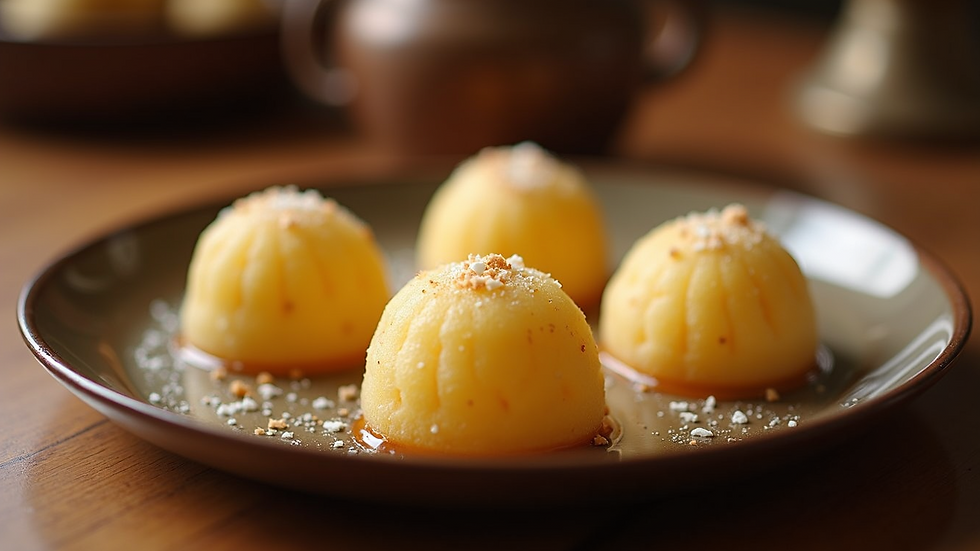
Sandesh and Rasgulla: Soft, syrupy sweets made from chhena (Indian cottage cheese).
Each dish tells a story of Bengal’s rivers, fields, and festivals. The love for fish is deeply rooted in the culture, and sweets are an essential part of celebrations.
Step-by-Step Guide to Cooking Bengali Food at Home
Cooking Bengali food at home might seem intimidating at first, but with a little guidance, it becomes a joyful experience. Here’s a simple step-by-step guide to help you master some classic dishes:
Step 1: Choose Your Dish
Start with something manageable like Aloo Posto or Chingri Malai Curry. These dishes use common ingredients and straightforward techniques.
Step 2: Gather Fresh Ingredients
Freshness is key. Visit your local market or trusted suppliers to get the best fish, vegetables, and spices.
Step 3: Prepare Your Spices
Grind your panch phoron or mustard seeds fresh for the best aroma. Toasting spices lightly before use can enhance their flavor.
Step 4: Follow Traditional Cooking Methods
Use mustard oil for tempering.
Cook fish gently to avoid breaking it.
Simmer curries slowly to develop flavors.
Balance sweetness and sourness carefully.
Step 5: Serve with Love
Bengali meals are incomplete without steamed rice and a side of bhaja (fried vegetables). Present your dishes with care, and don’t forget a sweet treat to finish!
By following these steps, you’ll soon find yourself creating meals that transport you straight to Bengal.
Bringing Bengali Flavors to Your Events and Home
Planning an event or a cozy dinner at home? Bengali cuisine offers a wonderful way to impress your guests with its unique flavors and cultural richness. Here’s how you can bring authentic Bengali food to your gatherings:
Personalized Menus: Tailor your menu to include a mix of fish, vegetarian, and sweet dishes.
Interactive Cooking Sessions: Host Bengali cooking workshops or live cooking stations.
Traditional Presentation: Use banana leaves or clay pots for serving to enhance authenticity.
Seasonal Specials: Incorporate seasonal fish and vegetables for freshness.
Sweet Endings: Don’t forget to include classic Bengali sweets like rosogolla or mishti doi.
If you’re in Bengaluru, services like Bong Serve specialize in delivering authentic Bengali food recipes and catering experiences right to your doorstep. They ensure every dish is prepared with care, maintaining the traditional flavors that make Bengali cuisine so beloved.
By choosing authentic Bengali recipes for your events, you’re not just serving food - you’re sharing a piece of culture and history.
Mastering Bengali cuisine is a rewarding journey filled with rich flavors and heartfelt traditions. Whether you’re cooking for yourself or planning a grand event, embracing these authentic recipes will bring warmth and joy to your table. So, why wait? Dive into the world of Bengali food and let your taste buds celebrate!
For more inspiration and authentic recipes, check out bengali food recipes and start your culinary adventure today!


Comments